
Fabricante líder de máquinas CNC, oferecendo preços direto da fábrica e qualidade com certificação ISO, com presença global em mais de 60 países e um compromisso vitalício com suporte técnico ilimitado.




Fabricante líder de máquinas CNC, oferecendo preços direto da fábrica e qualidade com certificação ISO, com presença global em mais de 60 países e um compromisso vitalício com suporte técnico ilimitado.
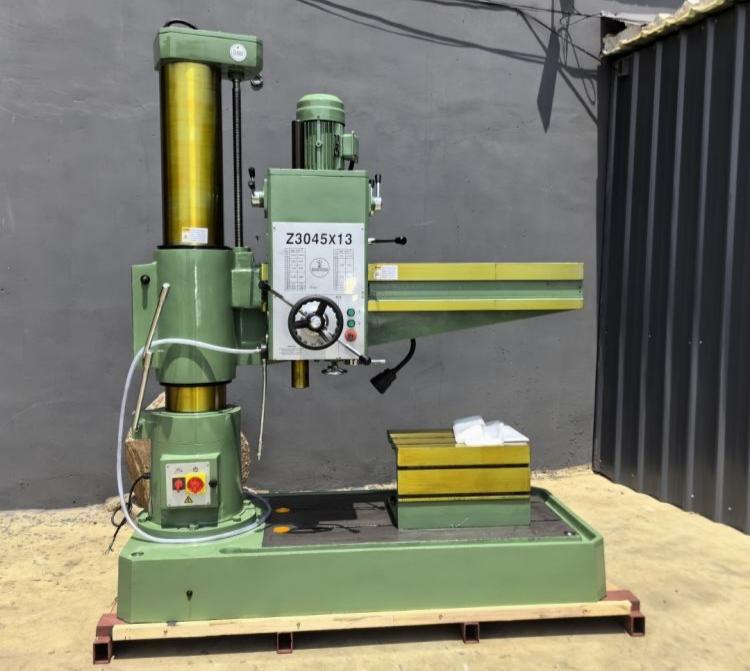
A máquina de perfuração é um dos equipamentos de processamento mais indispensáveis em oficinas mecânicas. Sua principal função é fabricar furos redondos em peças. Além da punção básica, integra diversas funções auxiliares práticas para garantir que os furos processados sejam precisos, lisos e eficientes. Este artigo descreve as principais funções básicas da punção. máquina de perfuração industrial Para iniciantes dominarem rapidamente os fundamentos operacionais.
1. Mecanismo de perfuração de núcleo
1.1 Rotação do Eixo
O eixo prende e aciona a broca, fazendo-a girar, com a velocidade de rotação medida em RPM. A velocidade precisa ser ajustada de acordo com o material da peça: alta velocidade para materiais macios, como madeira e alumínio, e baixa velocidade para materiais duros, como aço. A maioria dos dispositivos realiza a troca de velocidade por meio de uma correia ou um botão de ajuste.
1.2 Avanço do fuso
O avanço refere-se ao movimento descendente de uma broca rotativa em direção ao material. Furadeiras pequenas utilizam avanço manual por alavanca, enquanto equipamentos maiores são equipados com avanço automático motorizado. Uma taxa de avanço adequada evita a quebra da broca causada por velocidade excessiva e a baixa eficiência do processo causada por velocidade muito lenta.
1.3 Controle de Profundidade e Curso da Haste
Equipada com um limitador de profundidade, a máquina permite fixar a profundidade de perfuração, garantindo consistência em múltiplos furos sem necessidade de medições repetidas. O eixo que suporta o fuso controla a distância efetiva de deslocamento descendente da broca (curso convencional: 10-15 cm). Para furos mais profundos, ajuste a cabeça da máquina ou a mesa de trabalho.
2. Fixação e posicionamento da peça de trabalho
2.1 Ajuste da tabela
A mesa de trabalho é utilizada para posicionar as peças, permitindo o ajuste de altura; alguns modelos são inclináveis para se adaptarem a diferentes necessidades de processamento. Para furadeiras radiais, a mesa geralmente é fixa e a posição de furação é ajustada movendo-se a cabeça da máquina.
2.2 Fixação e Fixação de Peças
A fixação firme das peças é a premissa para uma furação segura. Peças pequenas são fixadas em uma morsa, enquanto peças grandes são presas diretamente na mesa. Os sulcos em T na mesa são compatíveis com grampos padrão para evitar o deslocamento da peça durante o processamento.
3. Processos comuns de perfuração de precisão
3.1 Perfuração Central
Antes de usinar furos maiores, faça um pequeno furo piloto de posicionamento. A broca central, curta e rígida, marca uma pequena depressão para evitar que a broca maior se desloque e melhorar a precisão do posicionamento do furo.
3.2 Perfuração por impacto
Ideal para usinagem de furos profundos. A broca move-se repetidamente para cima e para baixo para expelir os cavacos internos, resolvendo eficazmente os problemas de superaquecimento e fratura da broca causados pelo acúmulo de cavacos. As máquinas de perfuração modernas geralmente são equipadas com ciclos de perfuração com quebra automática.
3.3 Alargamento
Processo de acabamento secundário após a perfuração. Uma fresa é utilizada para remover uma pequena quantidade de material residual da parede do furo, otimizando a suavidade e a precisão dimensional do mesmo.
3.4 Toque
Utilizado para usinagem de roscas internas. O equipamento aciona o macho para rosquear no furo preparado, cortando a rosca, e inverte automaticamente o movimento para retirá-lo, o que é mais eficiente do que a usinagem manual.
4. Conformação de furos e processamento de superfícies
5. Funções especiais da furadeira
5.1 Perfuração em grupo
Equipada com múltiplos fusos paralelos, diferentes brocas podem ser instaladas em cada fuso. As peças são transferidas para diferentes estações para completar a furação em múltiplos processos, sendo ideal para o processamento em lote de peças com múltiplos furos.
5.2 Perfuração Radial
O braço mecânico oscilante e a cabeça da máquina móvel eliminam a necessidade de deslocar peças pesadas. A broca pode ser posicionada arbitrariamente, adaptando-se ao processamento de peças de grandes dimensões.
5.3 Perfuração Sensível
Os operadores percebem o estado de corte através da alavanca de avanço, o que é conveniente para o processamento preciso de brocas minúsculas e frágeis, reduzindo a taxa de quebra da broca.
Deixe um recado
Escaneie para o WeChat/WhatsApp :